
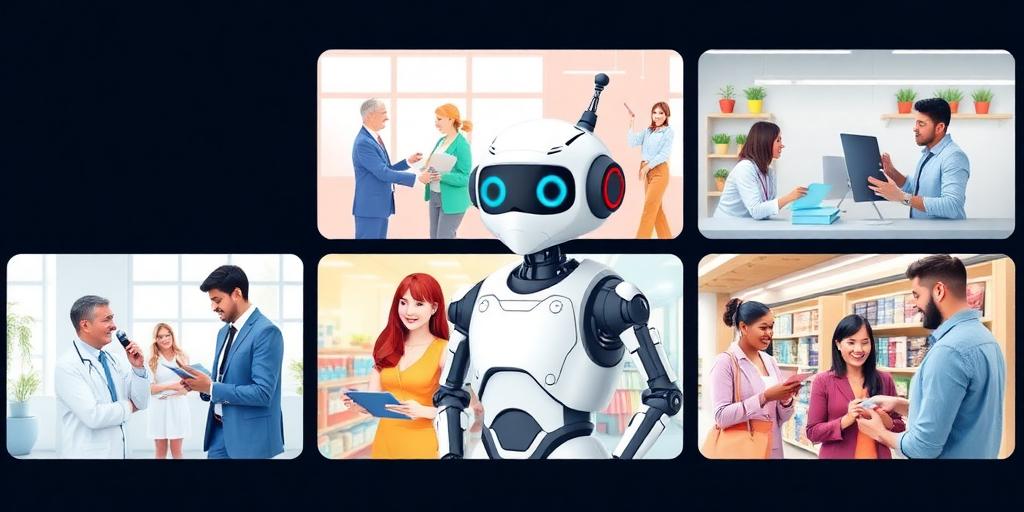
The Rise of Social Robots in Everyday Life
Social robots are no longer confined to the realms of science fiction. These interactive machines are increasingly integrated into our daily routines, transforming how we interact with technology and each other. This article explores the growing presence of social robots, their applications, and their potential impact on society.
What are Social Robots?
Social robots are designed to interact and communicate with humans, exhibiting social behaviors like recognizing emotions, responding to speech, and maintaining eye contact. Unlike industrial robots that perform repetitive physical tasks, social robots engage in dynamic, interpersonal interactions. Their development combines robotics, artificial intelligence (AI), and human-computer interaction (HCI) to create machines that can assist, entertain, and even provide companionship.
Key Applications of Social Robots
- Healthcare: Social robots assist in patient care, providing support to elderly individuals, administering medication reminders, and offering companionship to reduce feelings of loneliness. Studies have shown that social robots can improve the mental and emotional well-being of patients in long-term care facilities.
- Education: In educational settings, social robots serve as tutors and learning companions, offering personalized instruction and encouragement. They can adapt to a student's learning style, provide immediate feedback, and make learning more engaging and interactive. For children with autism, social robots offer a predictable and non-judgmental platform for practicing social skills.
- Customer Service: Social robots are being deployed in retail environments to assist customers with product information, guide them through stores, and handle basic transactions. These robots enhance the customer experience by providing quick, efficient, and personalized service.
- Entertainment: From robotic pets to interactive toys, social robots offer entertainment and companionship. They can play games, tell stories, and respond to human interaction, providing engaging experiences for children and adults alike.
- Home Assistance: Social robots are evolving into home assistants that can help with household chores, manage schedules, and provide security. These robots can respond to voice commands, recognize faces, and even learn individual preferences to better serve their human owners.
Challenges and Considerations
While the potential benefits of social robots are vast, several challenges and considerations must be addressed:
- Ethical Concerns: As social robots become more integrated into our lives, ethical questions arise regarding privacy, autonomy, and emotional attachment. It is crucial to establish guidelines and regulations to ensure these robots are used responsibly and do not exploit human vulnerabilities.
- Technical Limitations: Despite advances in AI and robotics, social robots still face technical limitations in terms of perception, natural language processing, and emotional understanding. Continued research and development are needed to improve their capabilities and make them more reliable and effective.
- Social Impact: The widespread adoption of social robots could have profound social implications, potentially affecting human relationships, employment, and social norms. It is essential to study and understand these impacts to mitigate any negative consequences and maximize the benefits of this technology.
The Future of Social Robots
The rise of social robots in everyday life is poised to continue, driven by advancements in AI, robotics, and sensor technology. As these robots become more sophisticated and affordable, they will likely become increasingly integrated into our homes, workplaces, and communities. The key to realizing their full potential lies in addressing the ethical, technical, and social challenges that accompany their development and deployment. By carefully considering these factors, we can ensure that social robots enhance our lives and contribute to a more connected, supportive, and technologically advanced society.


