
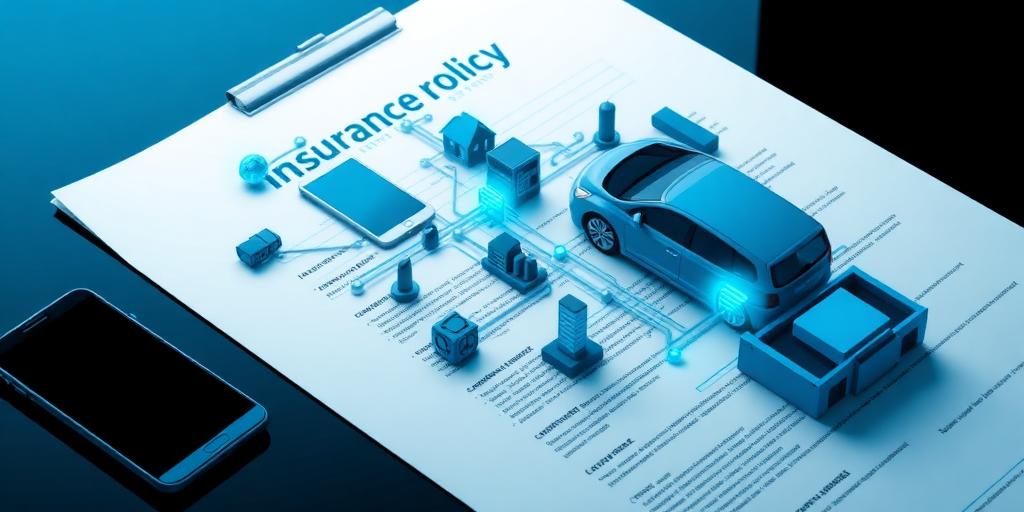
How Insurance Companies Use IoT to Assess Risk
The insurance industry is undergoing a significant transformation, driven by the proliferation of Internet of Things (IoT) devices. These devices, ranging from wearable health trackers to smart home systems, generate vast amounts of data that can be leveraged to assess risk more accurately and personalize insurance offerings. This article explores the multifaceted ways in which insurance companies are integrating IoT data into their risk assessment processes.
Enhanced Data Collection and Analysis
Traditionally, insurance companies have relied on static data points, such as age, location, and historical claims, to evaluate risk. IoT devices provide a continuous stream of real-time data, offering a more granular and dynamic view of individual and asset risk profiles. For example:
- Health Insurance: Wearable devices track physical activity, sleep patterns, and vital signs, enabling insurers to assess an individual's health risk more precisely.
- Auto Insurance: Telematics devices in vehicles monitor driving behavior, including speed, acceleration, and braking patterns, allowing insurers to identify risky drivers.
- Home Insurance: Smart home systems equipped with sensors can detect water leaks, fire hazards, and security breaches, providing early warnings and mitigating potential losses.
By analyzing this data, insurers can gain deeper insights into risk factors and make more informed decisions about pricing and coverage.
Personalized Risk Assessment
IoT data enables insurance companies to move away from one-size-fits-all policies and offer personalized risk assessments tailored to individual circumstances. This approach benefits both insurers and policyholders:
- Insurers can more accurately price policies based on actual risk, reducing adverse selection and improving profitability.
- Policyholders can receive lower premiums by demonstrating responsible behavior and proactively mitigating risks.
For instance, a driver who consistently demonstrates safe driving habits through telematics data may qualify for a lower auto insurance premium. Similarly, a homeowner who installs a smart home system with leak detection sensors may receive a discount on their home insurance policy.
Improved Risk Mitigation
Beyond assessment, IoT data also plays a crucial role in risk mitigation. Real-time alerts and proactive interventions can help prevent losses and minimize the severity of claims. Examples include:
- Predictive Maintenance: IoT sensors in industrial equipment can detect early signs of failure, allowing insurers to work with clients to schedule maintenance and prevent costly breakdowns.
- Emergency Response: Smart home systems can automatically alert emergency services in the event of a fire or burglary, reducing response times and minimizing damage.
- Behavioral Interventions: Insurers can provide personalized recommendations and incentives to encourage policyholders to adopt safer behaviors, such as driving more cautiously or maintaining their homes.
Challenges and Considerations
While the integration of IoT data offers numerous benefits, insurance companies must also address several challenges and considerations:
- Data Privacy: Insurers must ensure that they collect and use IoT data in a responsible and transparent manner, complying with data privacy regulations and protecting policyholder information.
- Data Security: IoT devices are vulnerable to cyberattacks, which could compromise sensitive data. Insurers must implement robust security measures to protect against data breaches.
- Data Accuracy: The accuracy and reliability of IoT data can vary depending on the device and the environment. Insurers must validate data sources and implement quality control measures.
Conclusion
IoT technology is revolutionizing the insurance industry, enabling companies to assess risk more accurately, personalize offerings, and mitigate losses. By leveraging the power of real-time data, insurers can create a more efficient and customer-centric ecosystem. However, it is crucial to address the challenges related to data privacy, security, and accuracy to ensure that IoT is used responsibly and ethically. As IoT adoption continues to grow, the insurance industry will need to adapt and innovate to fully realize its potential.


