
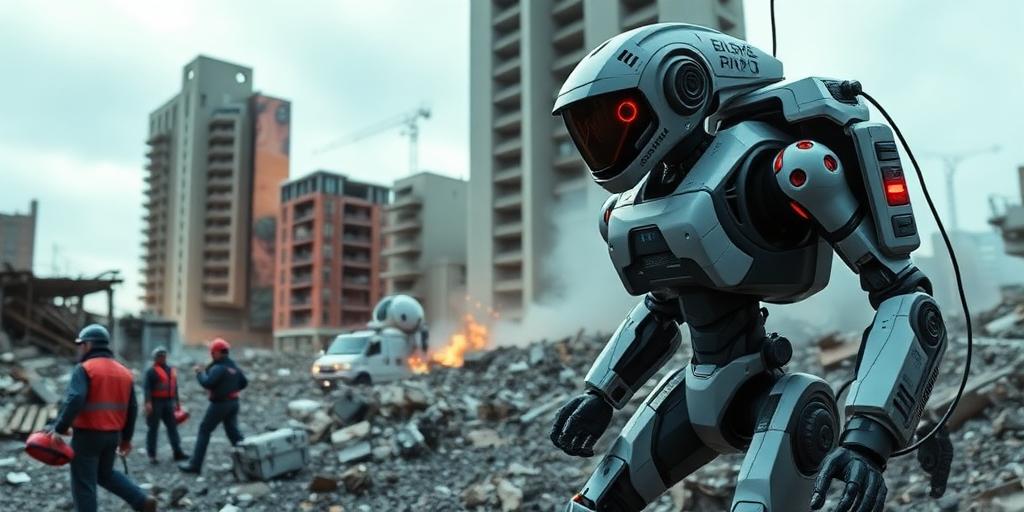
The Role of Robotics in Disaster Response
Disasters, whether natural or man-made, pose significant challenges to human safety and infrastructure. In recent years, the integration of robotics into disaster response efforts has emerged as a transformative force, enhancing the speed, efficiency, and safety of rescue and recovery operations. This article explores the multifaceted role of robotics in disaster response, examining its applications, benefits, and future potential.
Current Applications of Robotics in Disaster Response
Search and Rescue: Robots equipped with advanced sensors, such as thermal cameras and LiDAR, can navigate through debris-filled environments to locate survivors. These robots can access areas that are too dangerous or inaccessible for human rescuers, significantly improving the chances of finding and assisting victims.
Structural Assessment: Drones and ground-based robots can assess the structural integrity of buildings and infrastructure following a disaster. By providing real-time visual data, these robots help engineers and emergency responders make informed decisions about building safety and potential hazards.
Hazardous Material Detection: Robots can be deployed to detect and identify hazardous materials, such as chemical spills or radiation leaks. These robots are equipped with specialized sensors that can measure the concentration of dangerous substances, allowing for the prompt implementation of safety protocols.
Delivery of Supplies: Autonomous drones and ground vehicles can deliver essential supplies, such as food, water, and medical equipment, to affected areas. This capability is particularly critical in situations where transportation infrastructure is compromised.
Mapping and Surveying: Robotic systems can create detailed maps and surveys of disaster-stricken areas, providing valuable information for planning and coordination of relief efforts. High-resolution aerial imagery and 3D models generated by drones can help identify affected populations and assess the extent of damage.
Benefits of Using Robotics in Disaster Response
- Enhanced Safety: Robots can operate in hazardous environments, reducing the risk to human responders.
- Improved Efficiency: Robots can perform tasks faster and more accurately than humans, accelerating the pace of rescue and recovery operations.
- Increased Access: Robots can access areas that are physically inaccessible to humans, expanding the scope of search and rescue efforts.
- Real-Time Data: Robots provide real-time data and situational awareness, enabling informed decision-making.
- Cost-Effectiveness: Over time, the use of robotics can reduce the overall cost of disaster response by minimizing human resource requirements and improving the efficiency of resource allocation.
Challenges and Future Directions
Despite the significant benefits, there are challenges to overcome in the widespread adoption of robotics in disaster response:
- Technological Limitations: Robots must be further developed to operate in complex and unpredictable environments.
- Regulatory Frameworks: Clear regulatory frameworks are needed to govern the use of robotics in emergency situations.
- Training and Expertise: Emergency responders need adequate training to effectively deploy and operate robotic systems.
- Interoperability: Robotic systems from different manufacturers must be able to communicate and work together seamlessly.
Looking to the future, advancements in artificial intelligence, sensor technology, and autonomous navigation will further enhance the capabilities of robotics in disaster response. The integration of machine learning algorithms will enable robots to adapt to changing conditions and make autonomous decisions. Collaborative robotic systems, where multiple robots work together to achieve a common goal, will become more prevalent.
Conclusion
Robotics plays a crucial role in modern disaster response, offering solutions to enhance safety, improve efficiency, and increase access to affected areas. As technology continues to evolve, the integration of robotics into emergency management practices will become even more essential. By addressing current challenges and fostering innovation, we can harness the full potential of robotics to save lives and mitigate the impact of disasters.


