
Building a Smart Home on a Budget: A Comprehensive Guide
The allure of a smart home, with its interconnected devices and automated conveniences, is undeniable. However, the perception of high costs often deters many from venturing into this realm. The good news is that creating a smart home without breaking the bank is entirely achievable. This guide provides a structured approach to building a smart home on a budget, focusing on strategic investments and cost-effective alternatives.
1. Define Your Needs and Priorities
Before diving into the world of smart devices, it's crucial to identify your specific needs and prioritize the functionalities that matter most to you. Consider the following questions:
- What problems are you trying to solve? (e.g., security, energy efficiency, convenience)
- Which areas of your home do you want to automate? (e.g., lighting, climate control, entertainment)
- What is your budget? (Establish a realistic spending limit)
By answering these questions, you can create a focused plan and avoid unnecessary purchases.
2. Start with a Smart Home Hub
A smart home hub serves as the central control point for all your smart devices. It allows them to communicate with each other and be controlled remotely via a smartphone app or voice commands. Popular options include:
- Amazon Echo (with built-in Zigbee hub): A versatile option with voice control capabilities.
- Google Nest Hub: Seamless integration with Google Assistant and other Google services.
- Samsung SmartThings Hub: Compatible with a wide range of devices and protocols.
Choose a hub that aligns with your preferred ecosystem and supports the devices you plan to integrate.
3. Focus on Essential Devices
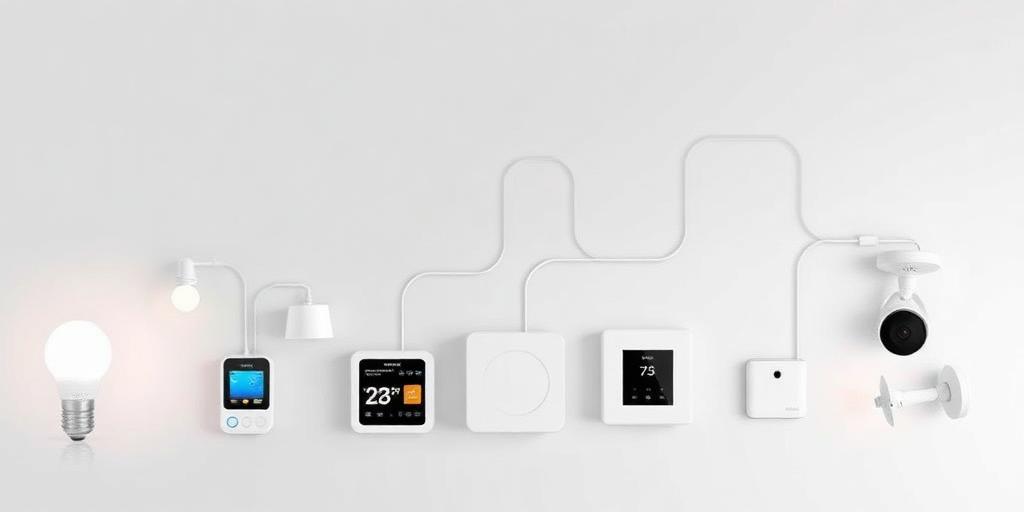
With a clear understanding of your needs and a smart home hub in place, it's time to select the essential devices. Here are some budget-friendly options:
- Smart Lighting: Smart bulbs can be controlled remotely, dimmed, and even programmed to turn on and off at specific times. Consider energy-efficient LED bulbs for long-term savings.
- Smart Plugs: Turn any standard appliance into a smart device by plugging it into a smart plug. Control lamps, fans, coffee makers, and other devices remotely.
- Smart Security: Enhance your home security with smart security cameras, door/window sensors, and smart locks. These devices provide real-time monitoring and alerts.
- Smart Thermostat: Optimize your home's energy consumption with a smart thermostat. It learns your heating and cooling preferences and adjusts the temperature automatically.
4. Explore Budget-Friendly Brands and Alternatives
While established brands offer reliable performance, exploring budget-friendly alternatives can significantly reduce costs. Look for lesser-known brands with positive reviews and comparable features. Additionally, consider refurbished or open-box devices from reputable retailers.
5. Leverage Voice Control
Voice control adds another layer of convenience to your smart home. Integrate your smart devices with voice assistants like Amazon Alexa or Google Assistant to control them hands-free. Use voice commands to turn on/off lights, adjust the thermostat, play music, and more.
6. DIY Installation and Setup
Many smart home devices are designed for easy DIY installation and setup. Follow the manufacturer's instructions carefully and leverage online resources such as videos and tutorials. Avoid professional installation fees by handling the setup yourself.
7. Integrate Gradually and Expand Over Time
Building a smart home is an iterative process. Start with a few essential devices and gradually expand your ecosystem over time. This approach allows you to spread out the costs and fine-tune your smart home setup to your specific needs.
8. Monitor and Optimize Energy Consumption
One of the key benefits of a smart home is its ability to monitor and optimize energy consumption. Use smart plugs and smart thermostats to track energy usage and identify areas for improvement. Implement energy-saving strategies such as scheduling lights and appliances, adjusting thermostat settings, and using energy-efficient appliances.
Conclusion
Building a smart home on a budget is not only possible but also a rewarding endeavor. By defining your needs, prioritizing essential devices, exploring budget-friendly alternatives, and leveraging DIY installation, you can transform your home into a connected and automated living space without exceeding your financial means. Remember to start gradually, monitor energy consumption, and continuously optimize your smart home setup to maximize its benefits.


