
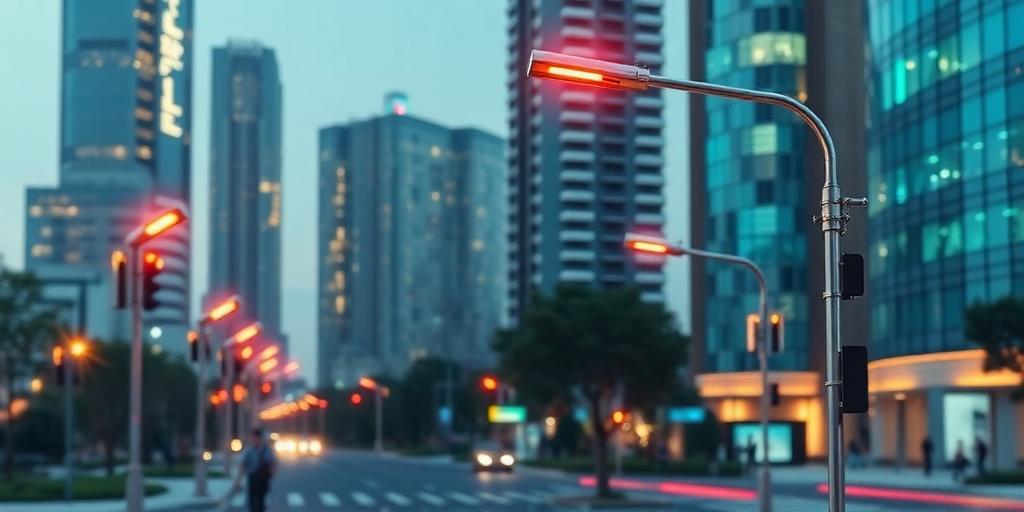
Connected Streetlights and Smart Utilities Explained
As cities grow and technology evolves, the concept of smart utilities is gaining traction. At the forefront of this movement are connected streetlights, which promise to revolutionize urban infrastructure and enhance the efficiency of utility services. This article delves into the world of connected streetlights and their role in creating smarter, more sustainable cities.
What Are Connected Streetlights?
Connected streetlights are more than just sources of illumination. They are sophisticated systems integrated with sensors, communication networks, and data analytics platforms. Each streetlight can communicate with a central management system, providing real-time data on its performance, energy consumption, and environmental conditions.
Key Components of Connected Streetlight Systems:
- LED Lighting: Energy-efficient LED lamps form the foundation, offering longer lifespans and reduced energy consumption compared to traditional lighting.
- Sensors: Integrated sensors can monitor various parameters, including ambient light, temperature, humidity, air quality, traffic flow, and even noise levels.
- Communication Modules: Wireless communication technologies like cellular, LoRaWAN, or Zigbee enable streetlights to transmit data to a central management system.
- Control Systems: These systems allow remote monitoring and control of individual streetlights or groups of lights, enabling dynamic adjustment of brightness and scheduling.
- Data Analytics Platforms: Collected data is analyzed to identify trends, optimize performance, and enable predictive maintenance.
Benefits of Connected Streetlights:
- Energy Efficiency: Smart lighting systems can automatically adjust brightness based on ambient light levels and occupancy, reducing energy consumption and costs.
- Enhanced Safety and Security: Brighter, more reliable lighting can improve visibility and deter crime, enhancing public safety.
- Reduced Maintenance Costs: Real-time monitoring and diagnostics enable proactive maintenance, reducing downtime and extending the lifespan of lighting infrastructure.
- Improved Urban Planning: Data collected from sensors can provide valuable insights into traffic patterns, pedestrian behavior, and environmental conditions, informing urban planning decisions.
- Integration with Other Smart City Applications: Connected streetlights can serve as a platform for deploying other smart city applications, such as smart parking, environmental monitoring, and public Wi-Fi.
Applications of Connected Streetlights in Smart Utilities:
- Smart Grid Management: Streetlights can be integrated with smart grids to monitor energy distribution, detect outages, and optimize grid performance.
- Water Management: Sensors can be used to monitor water levels, detect leaks, and optimize water distribution networks.
- Waste Management: Streetlights can be equipped with sensors to monitor waste bin levels, optimize collection routes, and reduce waste management costs.
- Environmental Monitoring: Air quality sensors can provide real-time data on pollution levels, enabling targeted interventions to improve air quality.
Challenges and Considerations:
- Data Security and Privacy: Robust security measures are essential to protect sensitive data collected by sensors and prevent unauthorized access.
- Interoperability: Ensuring compatibility between different streetlight systems and other smart city applications is crucial for seamless integration.
- Scalability: Smart streetlight systems must be scalable to accommodate future growth and changing urban needs.
- Cost: The initial investment in connected streetlights can be significant, but the long-term benefits outweigh the costs.
The Future of Connected Streetlights:
Connected streetlights are poised to play a pivotal role in the future of smart cities and smart utilities. As technology advances and costs decline, we can expect to see widespread deployment of connected streetlights in cities around the world. These intelligent lighting systems will not only illuminate our streets but also serve as a foundation for a more sustainable, efficient, and livable urban environment.


