
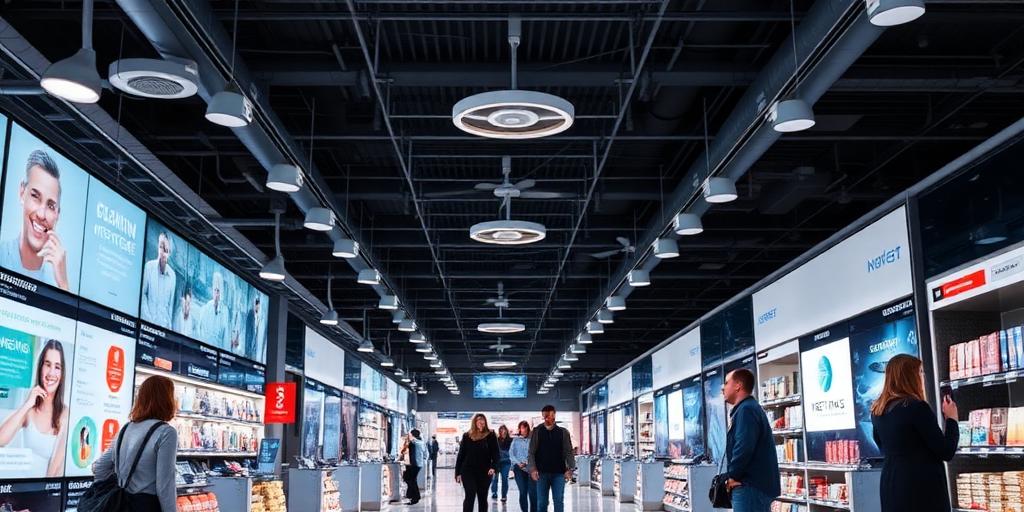
IoT in Retail: Personalized Shopping in Real Time
The Internet of Things (IoT) is transforming the retail landscape, offering unprecedented opportunities for personalized shopping experiences. By connecting devices, sensors, and data analytics, retailers can now understand customer behavior in real-time and tailor their offerings accordingly. This article explores the profound impact of IoT on the retail sector, focusing on its applications, benefits, and future trends.
Understanding IoT in Retail
IoT in retail refers to the integration of internet-connected devices and sensors within the retail environment. These devices collect and transmit data, providing retailers with valuable insights into customer preferences, inventory levels, and operational efficiency. From smart shelves to personalized mobile apps, IoT is reshaping how retailers interact with their customers and manage their businesses.
Key Applications of IoT in Retail
- Personalized Shopping Experiences:
- Real-time Recommendations: IoT devices can track customer movements and preferences within the store, enabling retailers to offer personalized recommendations via mobile apps or digital displays.
- Smart Mirrors: Interactive mirrors in fitting rooms can provide product information, suggest complementary items, and even allow customers to virtually try on clothes.
- Inventory Management:
- Smart Shelves: Equipped with sensors, smart shelves can monitor product levels and alert staff when items need restocking.
- RFID Technology: Radio-frequency identification (RFID) tags attached to products enable retailers to track inventory in real-time, reducing stockouts and optimizing supply chain management.
- Enhanced Customer Service:
- Automated Checkout: IoT-enabled self-checkout systems streamline the payment process, reducing wait times and improving customer satisfaction.
- Personalized Assistance: Beacons and sensors can identify customers as they enter the store, allowing staff to provide tailored assistance and product recommendations.
- Operational Efficiency:
- Energy Management: Smart thermostats and lighting systems can optimize energy consumption, reducing operational costs.
- Predictive Maintenance: IoT sensors can monitor equipment performance, enabling retailers to schedule maintenance proactively and prevent costly downtime.
Benefits of IoT in Retail
- Increased Sales: Personalized recommendations and targeted promotions drive sales and improve customer loyalty.
- Improved Customer Satisfaction: Seamless shopping experiences and personalized assistance enhance customer satisfaction and build brand loyalty.
- Reduced Costs: Optimized inventory management and energy efficiency reduce operational costs and improve profitability.
- Data-Driven Insights: Real-time data analytics provide retailers with valuable insights into customer behavior and market trends, enabling them to make informed business decisions.
Challenges and Considerations
While IoT offers numerous benefits, retailers must also address potential challenges:
- Data Security and Privacy: Protecting customer data is paramount. Retailers must implement robust security measures to prevent data breaches and comply with privacy regulations.
- Integration Complexity: Integrating IoT devices with existing systems can be complex and costly. Retailers should carefully plan their IoT deployments and choose scalable solutions.
- Employee Training: Employees need to be trained on how to use and maintain IoT devices. Retailers should invest in training programs to ensure that their staff can effectively leverage IoT technologies.
Future Trends in IoT Retail
The future of IoT in retail is promising, with several emerging trends poised to transform the industry:
- AI-Powered Personalization: Artificial intelligence (AI) will play an increasingly important role in analyzing IoT data and delivering highly personalized shopping experiences.
- Augmented Reality (AR) Integration: AR applications will enhance the in-store experience, allowing customers to visualize products in their homes and access additional information.
- Edge Computing: Edge computing will enable retailers to process data locally, reducing latency and improving the performance of IoT applications.
Conclusion
IoT is revolutionizing the retail industry, empowering retailers to create personalized shopping experiences, optimize operations, and drive sales. By embracing IoT technologies, retailers can gain a competitive edge and thrive in an increasingly dynamic marketplace. As IoT continues to evolve, retailers must stay informed about the latest trends and best practices to fully leverage its potential.


