
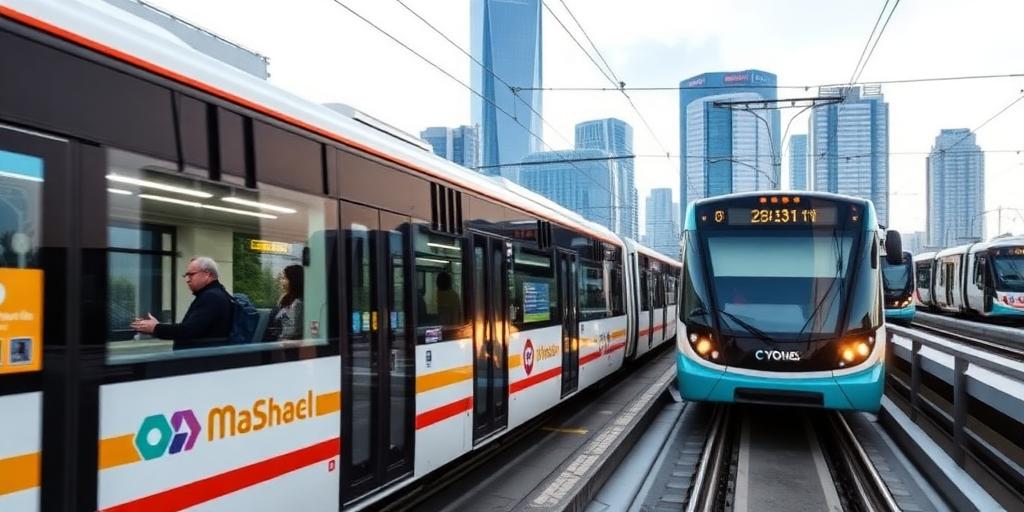
Public Transportation Gets an Upgrade With IoT
The integration of the Internet of Things (IoT) is revolutionizing public transportation systems worldwide. By connecting various components of transportation networks, IoT technology enables real-time data collection, enhanced operational efficiency, and improved passenger experiences. This article delves into the transformative impact of IoT on public transportation, highlighting key applications and future trends.
Enhanced Operational Efficiency
IoT devices, such as sensors and GPS trackers, provide valuable data on vehicle location, speed, and condition. This data enables transportation authorities to optimize routes, reduce congestion, and improve overall efficiency. Predictive maintenance, facilitated by IoT sensors, minimizes downtime by identifying potential mechanical issues before they escalate into major problems.
- Real-time Monitoring: IoT sensors continuously monitor vehicle performance, providing alerts for anomalies.
- Route Optimization: Data-driven insights enable dynamic route adjustments based on traffic conditions.
- Predictive Maintenance: Early detection of maintenance needs reduces unexpected breakdowns.
Improved Passenger Experience
Passengers benefit significantly from IoT-enabled public transportation. Real-time information on arrival and departure times, available through mobile apps and digital displays, reduces uncertainty and improves journey planning. Smart ticketing systems, powered by IoT, offer convenient and contactless payment options, streamlining the boarding process.
- Real-time Information: Passengers receive up-to-date information on schedules and delays.
- Smart Ticketing: Contactless payment systems enhance convenience and reduce queues.
- Enhanced Safety: IoT-enabled surveillance systems improve security and deter crime.
Key Applications of IoT in Public Transportation
- Smart Buses: Equipped with sensors, GPS, and communication devices, smart buses offer real-time tracking and performance monitoring.
- Smart Trains: IoT enables predictive maintenance, automated signaling, and optimized energy consumption in railway systems.
- Smart Traffic Management: Integrated traffic management systems use IoT data to optimize traffic flow and reduce congestion.
- Connected Infrastructure: Smart streetlights and connected bus stops enhance safety and provide real-time information to passengers.
Challenges and Opportunities
While IoT offers numerous benefits, challenges such as data security, privacy concerns, and interoperability need to be addressed. However, the opportunities for further innovation are vast. The integration of 5G technology, artificial intelligence, and machine learning will further enhance the capabilities of IoT-enabled public transportation systems.
- Data Security: Robust security measures are essential to protect sensitive passenger and operational data.
- Privacy Concerns: Transparent data policies and user consent mechanisms are crucial.
- Interoperability: Standardized protocols are needed to ensure seamless integration of different IoT devices and systems.
Future Trends
The future of public transportation will be shaped by advancements in IoT technology. Autonomous vehicles, powered by IoT sensors and AI algorithms, are poised to revolutionize urban mobility. The integration of virtual and augmented reality will provide passengers with immersive and informative travel experiences.
Conclusion
The integration of IoT is transforming public transportation, making it more efficient, reliable, and passenger-friendly. By leveraging real-time data and advanced technologies, transportation authorities can optimize operations, improve safety, and enhance the overall travel experience. As IoT technology continues to evolve, the future of public transportation promises to be more connected, intelligent, and sustainable.


