
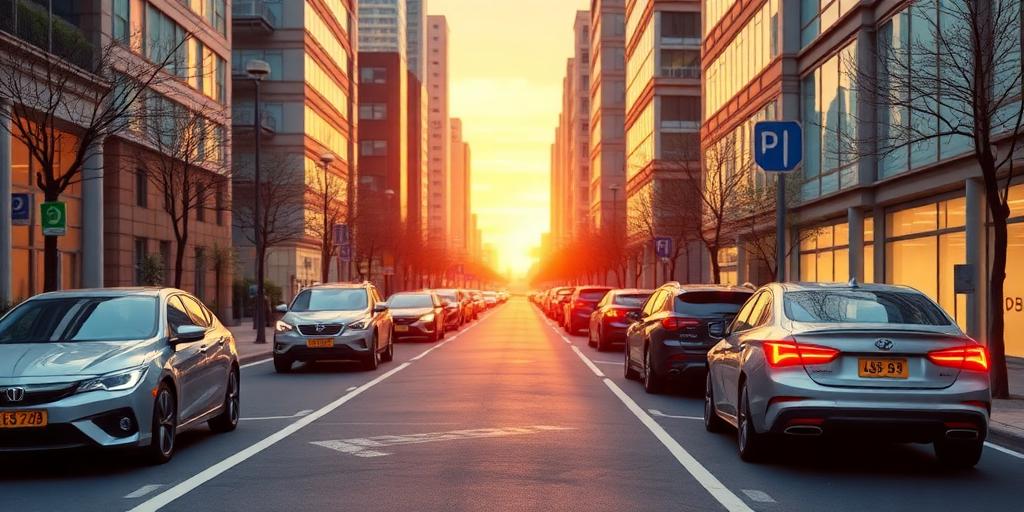
Smart Parking Solutions with IoT: An Authoritative Overview
The integration of the Internet of Things (IoT) into parking management has revolutionized urban mobility and resource utilization. Smart parking solutions leverage sensors, data analytics, and communication technologies to optimize parking space allocation, enhance user experience, and reduce traffic congestion. This article provides an in-depth examination of the architecture, benefits, challenges, and future trends of IoT-enabled smart parking systems.
Core Components of IoT Smart Parking Systems
Parking Sensors:
- In-Ground Sensors: Embedded in parking spaces, these sensors detect vehicle presence using magnetic, radar, or ultrasonic technology. They offer real-time occupancy data.
- Overhead Sensors: Mounted on poles or buildings, these sensors use cameras or infrared to monitor multiple parking spaces simultaneously. They provide a broader view but may be affected by weather conditions.
Communication Networks:
- Low-Power Wide-Area Networks (LPWAN): Technologies like LoRaWAN and NB-IoT enable long-range communication with minimal power consumption, ideal for transmitting sensor data across large parking areas.
- Cellular Networks: 4G LTE and 5G provide high-bandwidth connectivity for real-time video feeds and data-intensive applications.
Data Analytics Platform:
- Cloud-Based Processing: Data from parking sensors is transmitted to a cloud platform for aggregation, analysis, and storage.
- Machine Learning Algorithms: Predictive models forecast parking availability, optimize pricing strategies, and identify patterns in parking behavior.
User Interface:
- Mobile Applications: Drivers use mobile apps to locate available parking spaces, reserve spots, and make payments.
- Digital Signage: Real-time parking availability is displayed on digital signs at strategic locations, guiding drivers efficiently.
Key Benefits of Smart Parking
- Reduced Traffic Congestion: By guiding drivers directly to available spaces, smart parking systems minimize unnecessary driving and alleviate traffic congestion.
- Optimized Parking Space Utilization: Real-time occupancy data enables dynamic pricing and space allocation, maximizing the use of existing parking infrastructure.
- Enhanced User Experience: Mobile apps and digital signage provide drivers with a seamless parking experience, reducing stress and saving time.
- Lower Emissions: Reduced driving time translates to lower fuel consumption and fewer emissions, contributing to environmental sustainability.
- Increased Revenue: Dynamic pricing and efficient management can increase parking revenue for operators and municipalities.
Challenges and Considerations
- Privacy Concerns: Data collection and analysis raise concerns about privacy, requiring robust data protection measures and compliance with regulations like GDPR.
- Security Risks: IoT devices are vulnerable to cyberattacks, potentially disrupting parking operations and compromising sensitive data. Implementing strong security protocols is crucial.
- Scalability and Interoperability: Integrating diverse IoT devices and platforms can be challenging. Standardized protocols and open APIs are essential for seamless interoperability.
- Initial Investment: Deploying smart parking systems requires significant upfront investment in sensors, communication infrastructure, and software platforms.
Future Trends in Smart Parking
- AI-Powered Parking Management: Artificial intelligence will play a greater role in optimizing parking operations, predicting demand, and enhancing security.
- Autonomous Vehicle Integration: Smart parking systems will need to adapt to the needs of autonomous vehicles, providing precise location data and automated parking assistance.
- Edge Computing: Processing data at the edge of the network will reduce latency and improve real-time decision-making.
- Sustainable Parking Solutions: Integrating renewable energy sources and promoting electric vehicle charging will contribute to a more sustainable parking ecosystem.
Conclusion
Smart parking solutions powered by IoT technology offer a transformative approach to urban parking management. By leveraging data-driven insights and advanced communication networks, these systems optimize resource utilization, enhance user experience, and contribute to a more sustainable urban environment. While challenges remain, ongoing innovation and standardization will pave the way for widespread adoption of smart parking solutions in cities worldwide.


