
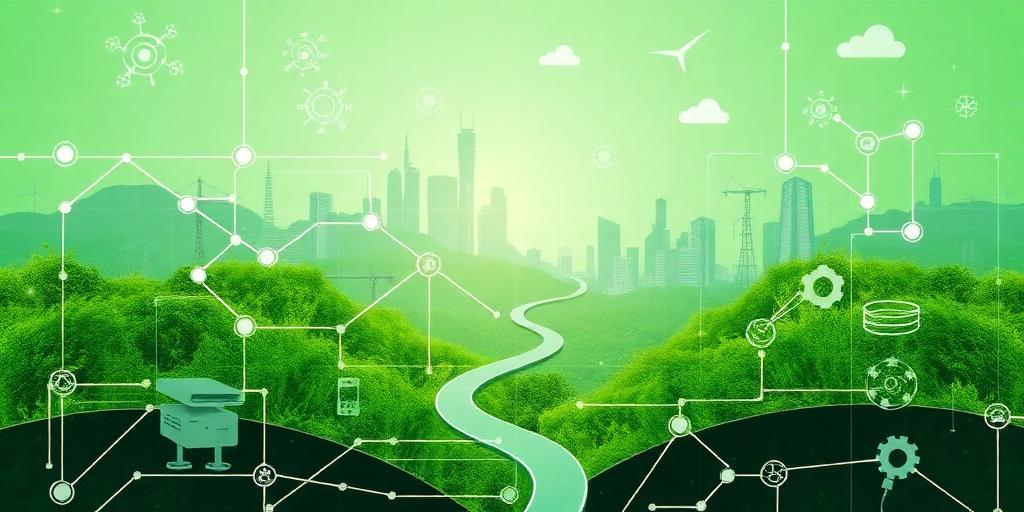
The Environmental Benefits of IoT Infrastructure
The Internet of Things (IoT) is rapidly transforming industries and daily life, offering unprecedented opportunities for efficiency and connectivity. While the technological and economic advantages of IoT are widely discussed, its significant environmental benefits often remain underexplored. This article delves into the ways IoT infrastructure contributes to environmental sustainability, supported by data and expert analysis.
1. Enhanced Resource Management
One of the most impactful environmental benefits of IoT lies in its ability to optimize resource management. Traditional methods of managing resources like water, energy, and raw materials are often inefficient, leading to waste and environmental degradation. IoT devices, equipped with sensors and data analytics capabilities, provide real-time insights that enable more precise and effective resource allocation.
- Smart Water Management: IoT sensors can monitor soil moisture levels, weather conditions, and water usage patterns in agriculture, enabling farmers to optimize irrigation schedules. This reduces water wastage and minimizes the environmental impact of excessive water consumption. In urban areas, smart water grids use IoT sensors to detect leaks, monitor water quality, and manage distribution networks efficiently, conserving water and reducing contamination.
- Smart Energy Grids: IoT-enabled smart grids optimize energy distribution by monitoring energy consumption patterns, balancing supply and demand, and integrating renewable energy sources. Smart meters provide real-time data on energy usage, empowering consumers to make informed decisions and reduce their energy footprint. The integration of renewable energy sources like solar and wind power is facilitated by IoT, which manages the intermittent nature of these sources and ensures grid stability.
- Waste Management: IoT sensors in waste bins monitor fill levels, optimizing collection routes and reducing unnecessary trips. This lowers fuel consumption, emissions, and traffic congestion. Smart waste management systems also improve recycling rates by sorting waste more efficiently and providing data on waste composition, leading to better resource recovery.
2. Reduced Emissions
IoT infrastructure plays a crucial role in reducing greenhouse gas emissions across various sectors. By optimizing processes, improving efficiency, and promoting sustainable practices, IoT contributes to a lower carbon footprint.
- Smart Transportation: IoT-enabled transportation systems optimize traffic flow, reduce congestion, and promote the use of public transport. Smart traffic management systems use real-time data to adjust traffic signals, reroute vehicles, and provide commuters with information on traffic conditions. This reduces idling time, fuel consumption, and emissions. Furthermore, IoT supports the development of autonomous vehicles, which can optimize driving behavior and reduce fuel consumption.
- Precision Agriculture: IoT sensors monitor soil conditions, weather patterns, and crop health, enabling farmers to optimize the use of fertilizers, pesticides, and herbicides. This reduces the environmental impact of agriculture by minimizing chemical runoff, improving soil health, and reducing emissions associated with the production and transportation of agricultural inputs.
- Industrial Efficiency: IoT sensors monitor equipment performance, detect anomalies, and optimize production processes in industrial settings. This reduces energy consumption, minimizes waste, and improves overall efficiency. Predictive maintenance, enabled by IoT, prevents equipment failures, reducing downtime and the need for emergency repairs, which often result in higher emissions.
3. Environmental Monitoring and Conservation
IoT is a powerful tool for monitoring environmental conditions and supporting conservation efforts. IoT sensors can collect data on air and water quality, biodiversity, and climate change impacts, providing valuable insights for environmental management and conservation.
- Air Quality Monitoring: IoT sensors monitor air pollutants in urban and industrial areas, providing real-time data on air quality levels. This information can be used to identify pollution sources, implement mitigation measures, and inform public health advisories. Air quality monitoring networks can also track the effectiveness of pollution control measures, ensuring that they are achieving their intended goals.
- Water Quality Monitoring: IoT sensors monitor water quality in rivers, lakes, and oceans, providing data on pollutants, nutrient levels, and other parameters. This information can be used to identify pollution sources, assess the health of aquatic ecosystems, and inform water management strategies. Water quality monitoring networks can also detect and respond to pollution events, protecting water resources and public health.
- Biodiversity Conservation: IoT sensors track animal movements, monitor habitat conditions, and detect poaching activities, supporting biodiversity conservation efforts. Wildlife tracking collars, equipped with GPS and communication capabilities, provide data on animal behavior and migration patterns. Acoustic sensors monitor bird and animal sounds, providing insights into species diversity and population trends. Camera traps capture images of wildlife, documenting their presence and behavior in remote areas.
Conclusion
The environmental benefits of IoT infrastructure are substantial and far-reaching. From optimizing resource management and reducing emissions to enhancing environmental monitoring and conservation, IoT offers innovative solutions to address some of the most pressing environmental challenges. As IoT technology continues to evolve, its potential to contribute to a more sustainable and resilient future will only grow. By embracing and investing in IoT infrastructure, governments, businesses, and individuals can play a crucial role in safeguarding the environment for future generations. The transition to a sustainable future requires the adoption of innovative technologies, and IoT stands out as a pivotal tool in this endeavor.
Long-tail keywords:
- IoT for environmental sustainability
- How IoT reduces carbon footprint
- IoT applications in resource management
- Environmental monitoring using IoT sensors
- IoT and smart environmental solutions


